
 Português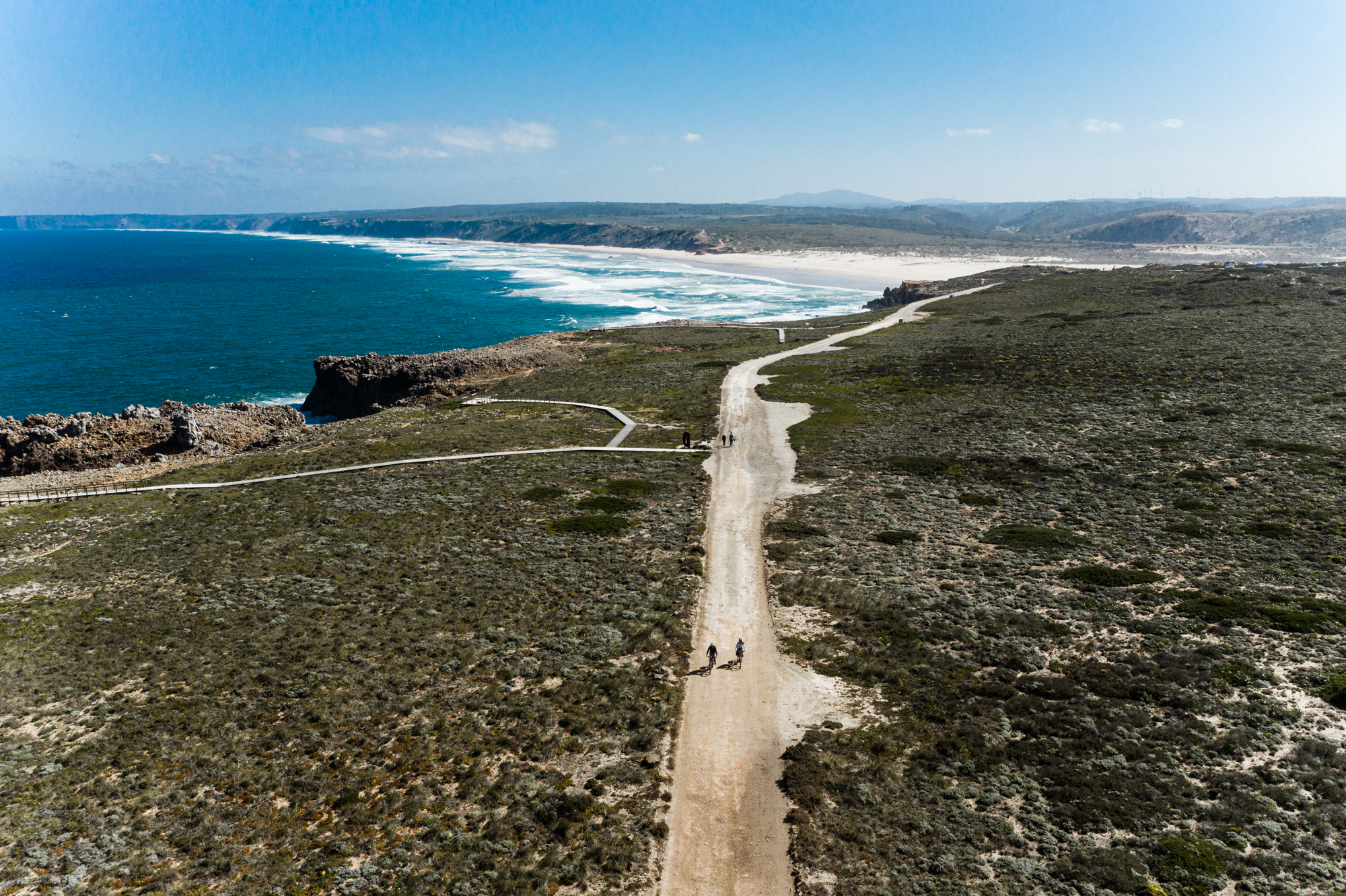
Algarve: a winter refuge for cyclists
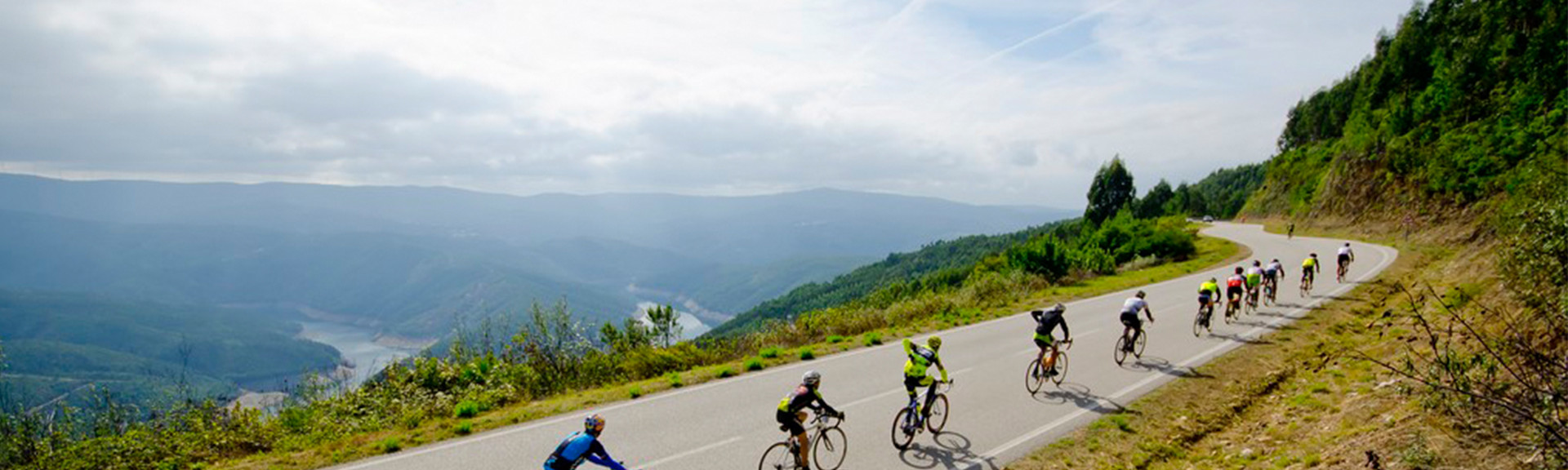
When winter sets in across much of Europe, the Algarve stands out as a prime destination for those who want to keep cycling.
Mild temperatures, many sunny days and a lower likelihood of rain create ideal conditions for cycling at this time of year. Added to this is a decisive factor: lower tourist demand, which results in quieter roads, more enjoyable routes and a more authentic experience.
It is no coincidence that the Algarve is chosen every year by professional and amateur teams for pre-season training camps. The Volta ao Algarve, held in February, is one of the first major races on the international calendar and confirms the region as a privileged territory for cycling, especially outside the high season.
A versatile destination for different rhythms and riding styles
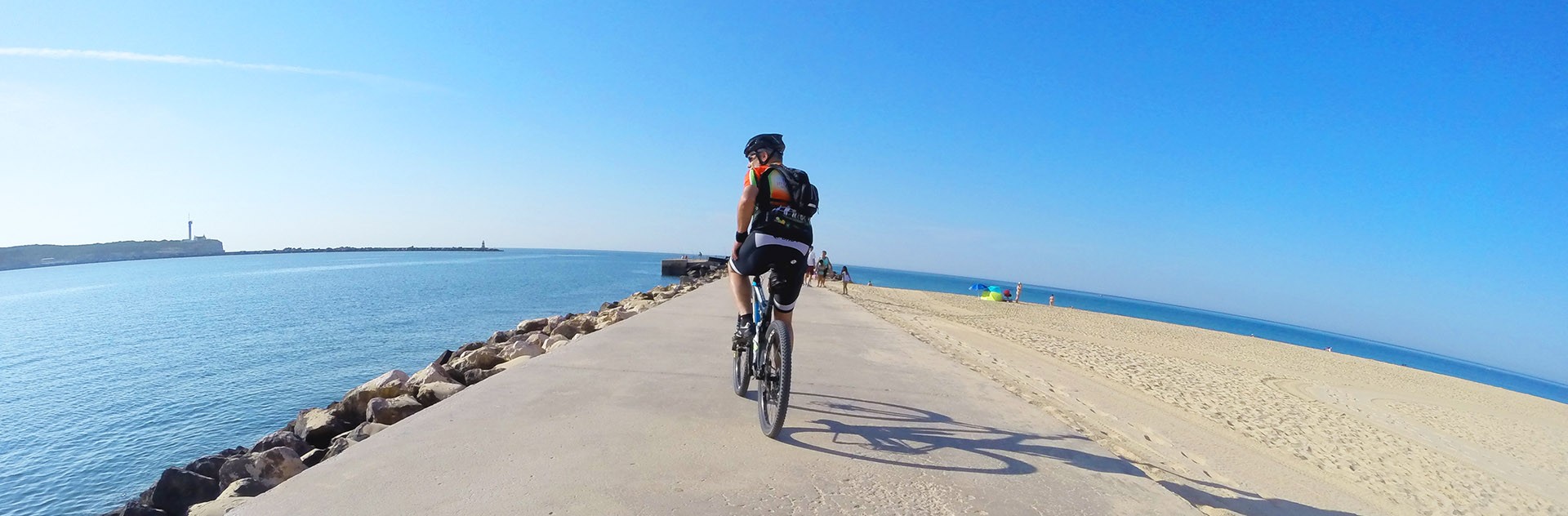
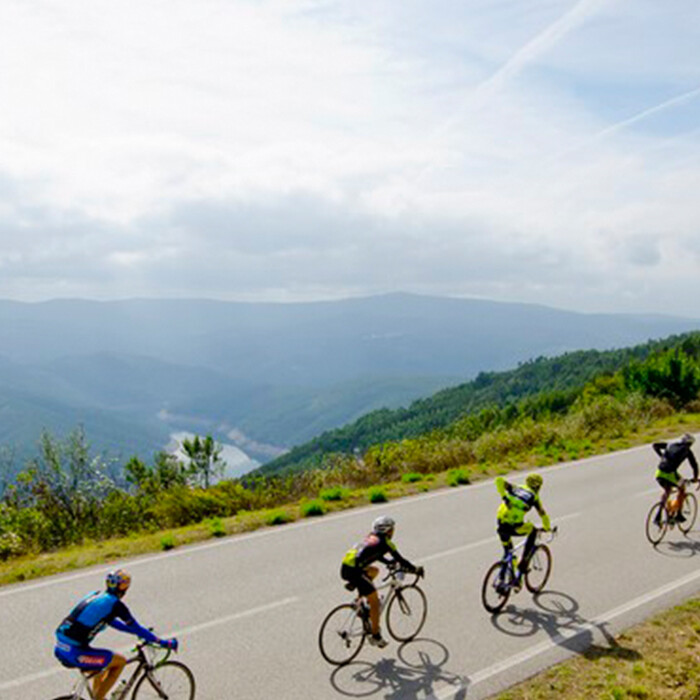
Cycling in the Algarve is synonymous with diversity. Between quiet secondary roads, well-maintained gravel tracks and panoramic routes along the coast or inland, there are options for more demanding training sessions as well as relaxed rides, always with open landscapes and abundant natural light.
The region allows you to combine performance, leisure and comfort, a combination that is hard to find elsewhere at this time of year.
Routes to discover the Algarve by bicycle
A good night’s sleep is part of the experience: bikotel accommodation in the Algarve
For a complete experience, the Algarve offers a solid network of bikotel accommodation, prepared to welcome cyclists throughout the year, and especially during the winter.
In these properties, you will find facilities tailored to those travelling by bicycle, such as secure bike storage, route information, breakfasts suited to active days, and a genuine understanding of the needs of cyclists.
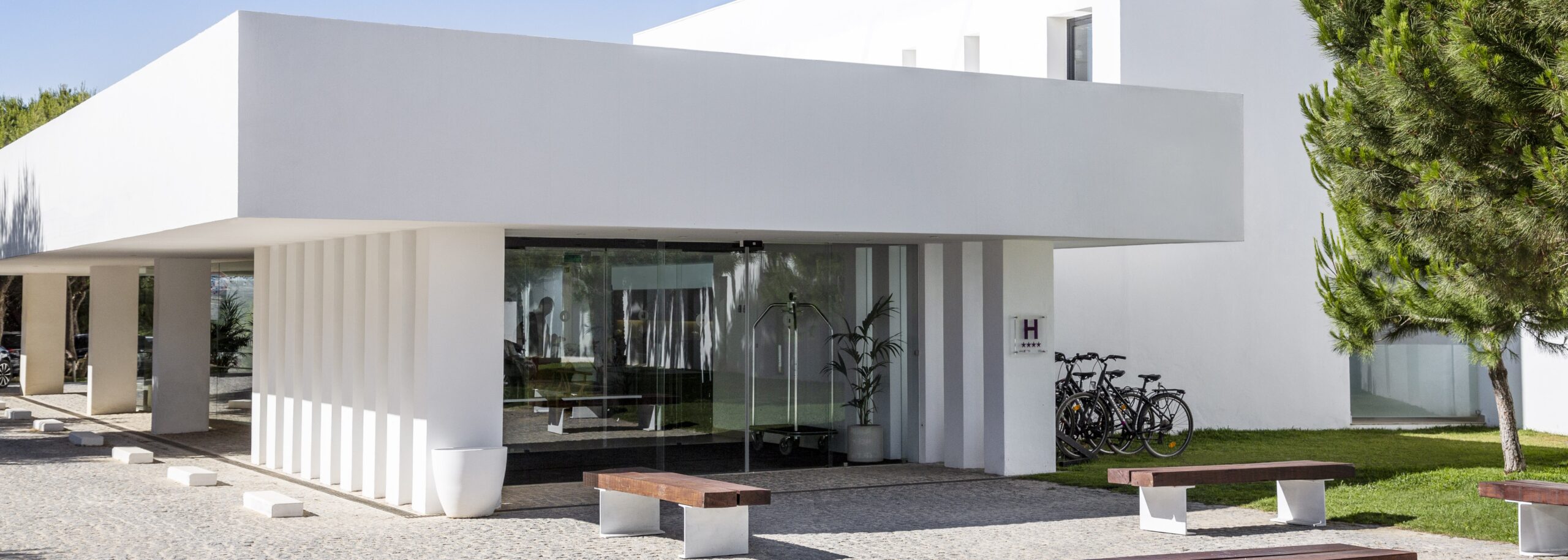
Choosing the Algarve in winter is more than opting for an alternative destination. It is a conscious choice for those who want to keep cycling with comfort, safety and enjoyment.
Whether for training, exploring or simply enjoying the bicycle, this is a region that invites you to go out, ride and stay.

How to plan your first bike touring adventure
Starting out in cycle touring is easier, and more rewarding, than it seems.
If you enjoy cycling and dream of an active holiday, close to nature and away from the crowds, bikotel helps you turn that desire into a safe, comfortable, and memorable experience.
This practical guide shows you how to plan your first cycling trip, with the support of accommodations specially designed for cyclists.
1. Define your goal and choose the ideal route
On the bikotel website, you’ll find cycling routes and bike-friendly accommodations all over the country – from inland to the coast, from the mountains to the sea.
Tip: For beginners, start with a 2 to 3 day route, covering 20 to 30 miles per day, mostly on flat or gently rolling terrain. On the route map, you can use the distance and difficulty filters to find the route that best suits you.
2. Choose the right bike (and make sure it’s in good condition)
Not every bicycle is suitable for long trips. For cycle touring, the most common types are:
- Hybrid or touring bikes: comfortable, with space for panniers.
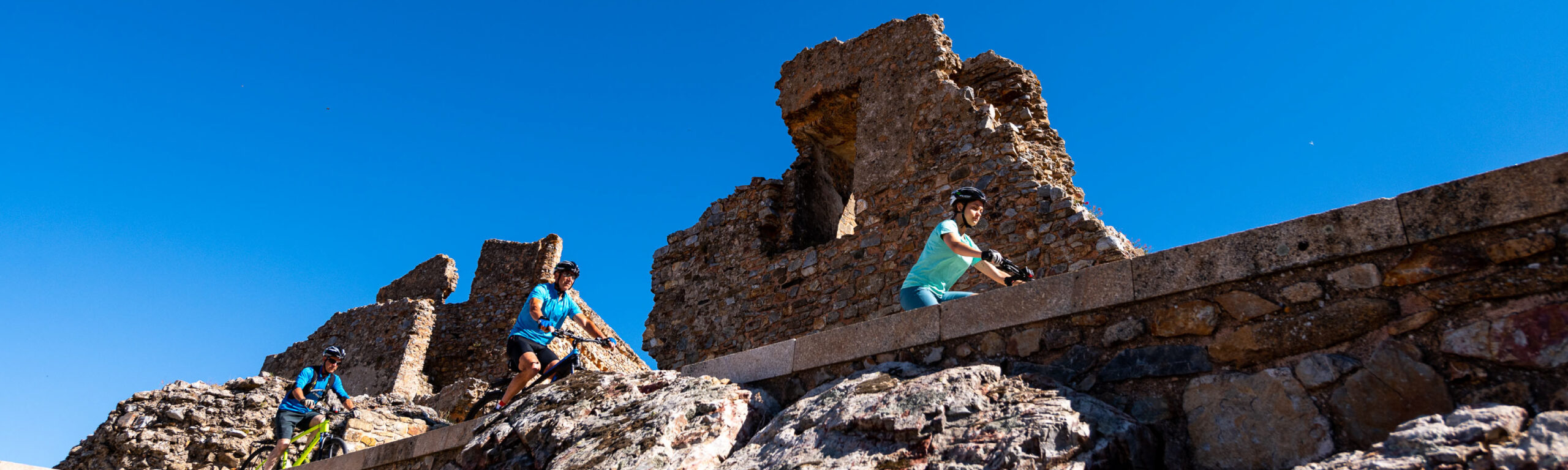
- Mountain bikes (MTB): ideal for trails and dirt roads.
- Gravel bikes: light, fast, and adaptable to various terrains.
- Road bikes: best for those who prefer to ride only on asphalt, focusing on speed and efficiency.
Before you set off, check the brakes, tyres, chain, lights, and gears.
3. Pack light, but smart
- Lightweight, quick-drying technical clothing
- Waterproof jacket (for you and your panniers)
- Helmet, gloves, and sunglasses
- Basic tools: air pump, spare inner tube, and multi-tool
- Documents, phone, charger, and power bank
- First-aid kit
4. Book cyclist-friendly accommodation
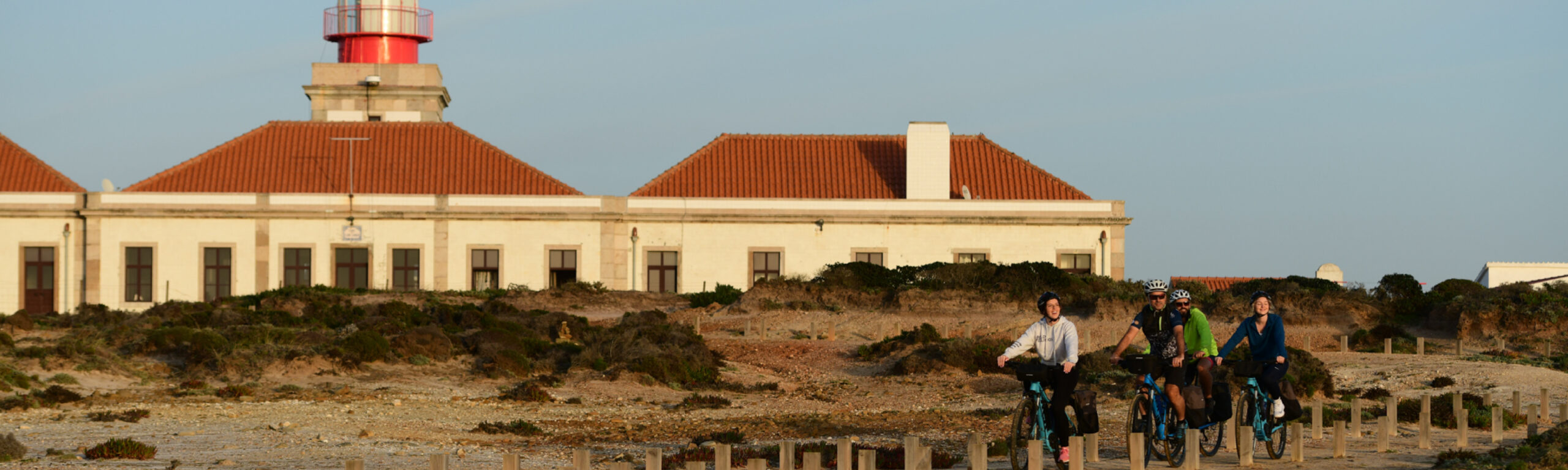
bikotel accommodations are selected to meet the specific needs of those travelling by bike. Among the main advantages are:
- Secure bike parking
- Washing and maintenance area
- Laundry facilities for cycling clothes
- Meals or amenities adapted for cyclists
Tip: Book in advance, especially during peak seasons or long weekends.
5. Prepare yourself mentally (and enjoy every moment)
🚴♀️ Ready to get started?


Top 10 Things to do in the Schist Villages of Portugal
The Schist Villages are small villages lost in a world of timeless trails that connect each village through centuries of history, tradition and landscape. These authentic wonders invite us to contemplate in tranquility one village after another, walking the various Schist Trails or by bicycle. Each village has its own identity and is in itself a destination not to be missed.
1. Ferraria de São João
Find in this village a future in constant movement. Although it still retains a landscape and cultural richness, it has not been crystallized at all in time, and there is a continuous stimulation of the population and its visitors. This landscape is the result of its location on a slope with wide views over the valley. It is a prime example where rurality and active tourism coexist. Owner of a magnificent cork oak grove, where you can discover how schist and quartz are perfectly unified, there are also, among other activities, fantastic hiking and cycling routes, fresh goat cheese workshops, a numerous set of traditional corrals to explore.
2. Lousã Mountain Range
In the Center of Portugal, a work of nature that combines in an undeniable way the cultural and human side of the surroundings. Surrounded by Schist Villages, it owns a fantastic piece of nature where the leisure possibilities are incalculable. A few kilometers from civilization, you will find different deer species and wild boars that fortunately still walk among the cork oaks, oaks and pines that protect them. It is mainly schistose and Precambrian, the southwestern end of the central mountain range, companion of the Açor and Estrela mountain ranges. It is a very old space, furrowed by several water lines and a great diversity of vegetation. As part of the Natura 2000 Network, it still has well-preserved habitats, which allows it to protect the populations that live there. Don’t miss the opportunity to walk or ride one of the numerous bike routes on this rustic but noble natural space.
3. The Lousã Swing
A small stopping point, but unique in the country. The Trevim Swing, as it is also known, is located at the highest point of the Lousã mountain range. At an altitude of 1,200 meters, it offers not only a fantastic view of the mountain range, but also a recreation of the sensation of flying with the wind that you have as a child. A fantastic artistic installation, this giant wooden swing, not only allows, after a trail through beautiful nature, to stop and contemplate the unreal grandeur of the region, but also to immortalize the moment in a fun and unforgettable way.
4. Gondramaz
It is distinguished by the specific shade of schist that completely surrounds it, an art that travels with us the same path, either on the ground that we step on with the art of working handcrafted stone, or in the work that is the nature that surrounds it. Received with a poem by Miguel Torga, the visitors of this village not only come to know secular arts, in a land of artisans whose hands create charismatic figures, but also to take combined memories without equal. A village accessible to everyone, even those with reduced mobility. Anyone can get lost in the melody of narrow and winding streets, or in the lively atmosphere that is experienced every weekend.
5. Cycling in the mountain
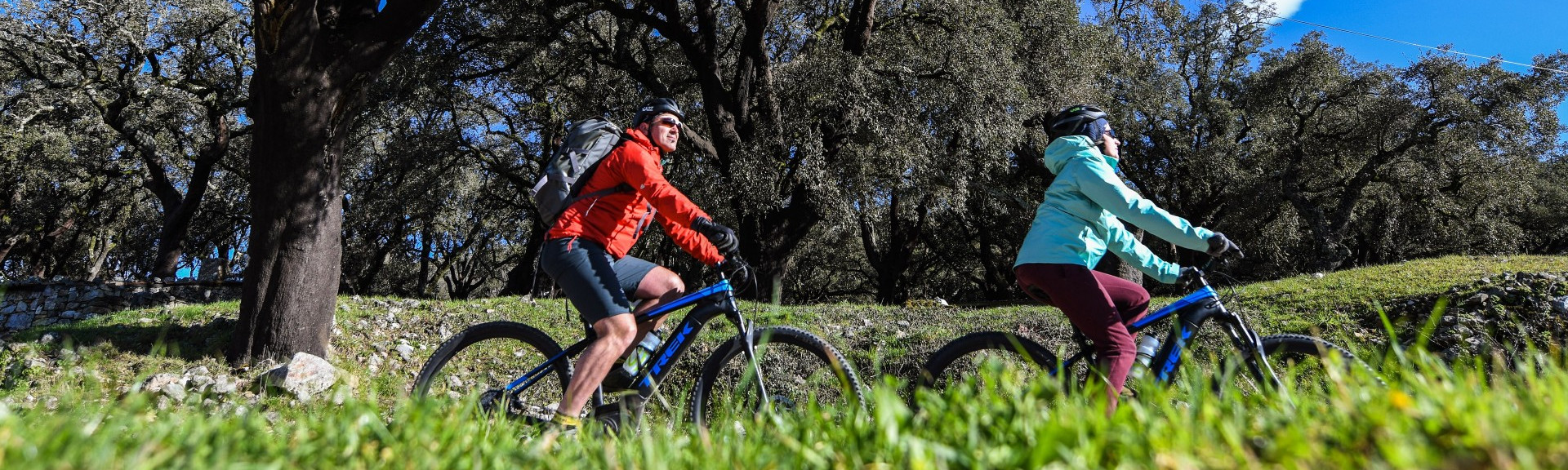
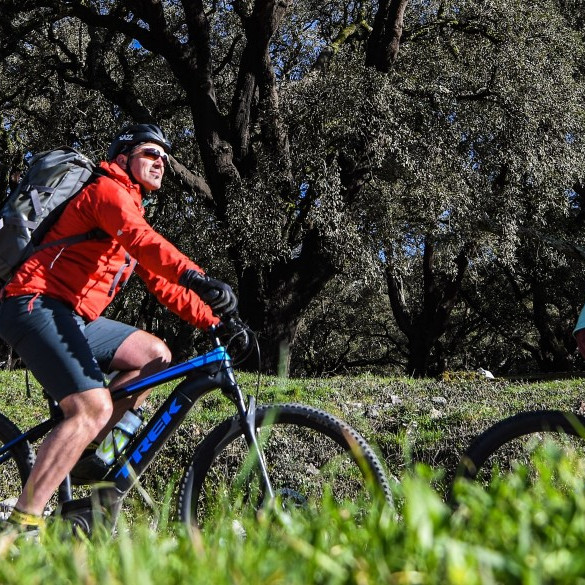
In a region with breathtaking landscapes, dozens of different routes were created, passing through forests, river beaches and through the Lousã and Açor mountain ranges, in order to energize the region and open it to adventure. Whether daily routes or cycling from village to village, there are routes for all levels, from the easiest to the most demanding. There are about nine mountain biking centers and thirty routes. These centers are permanent sports infrastructures, equipped with the necessary equipment for visitors and their bicycles. Many of these centers are locate in the Schist Villages, such as Ferraria de São João and Gondramaz. In addition to being able to experience great emotions, both by challenging your dexterity and endurance, or seeing one of the various competitions that take place here, you can simply let yourself be taken on a short, relaxed journey to discover the villages and nature in an E-bike. The guarantee is a high level of fun and the pleasure of getting to know one or more villages and marvel at the nature of the region.
6. Pedrógão Pequeno
A white dot in the center of the schist “sea” that surrounds it, this ancient village hides it under plasters. An outcrop of granite, that allowed it to give stone to the stonework of doors and windows, did not dethrone the predominant material that is schist, but allowed to enrich it and beautify it in another way. Between the 50s and 60s, with the construction of the Barragem do Cabril (dam), the population grew. It is one of the largest Portuguese dams, which is not only an architectural work, but also a large outdoor leisure space. Other attractions include the Capela de Nossa Senhora das Águas Feras (chapel) and the Ponte Filipina do Cabril (bridge), built when Portugal was ruled by Spanish monarchs and it links the two banks of the Zêzere river. The village itself also connects several Zêzere routes and the Schist Villages themselves, allowing walks for all levels, that let you to enjoy nature and get to know the nooks and the secrets the villages keep!
7. Cerdeira
A work of art, and an open-air gallery, this village stands out on the green of the hillsides, in a construction engineering work. The buildings are set on a rocky hill, which has created a terraced staircase that surrounds the village, but also holds the land that the rain and erosion would have taken down the slope. It’s also a story of revitalization and magic, which through effort and imagination have created a space where art and creativity can flow freely. It is a place of artistic creation, through international artistic residencies, training workshops and small creative experiences. It is a place for creative retreats, helped by the natural richness that surrounds it, the tranquility that reigns and the available infrastructures. Come and learn something new, or simply “re-learn” an art most people have forgotten, and get lost on the various hiking trails.
8. GR33/ GRZ – Great Route of Zêzere
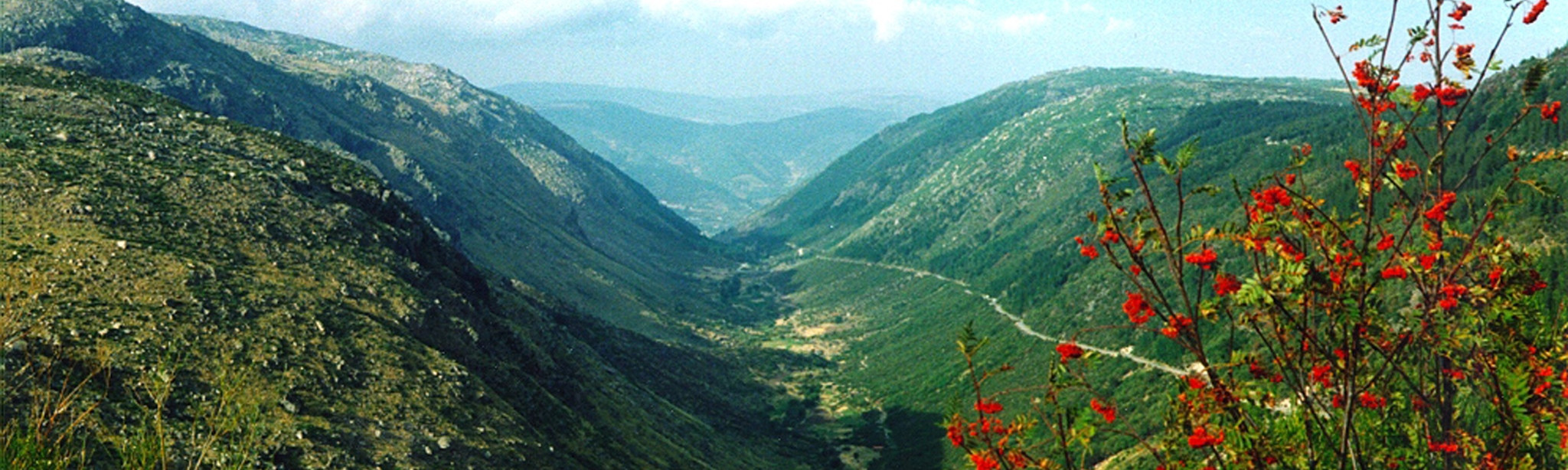
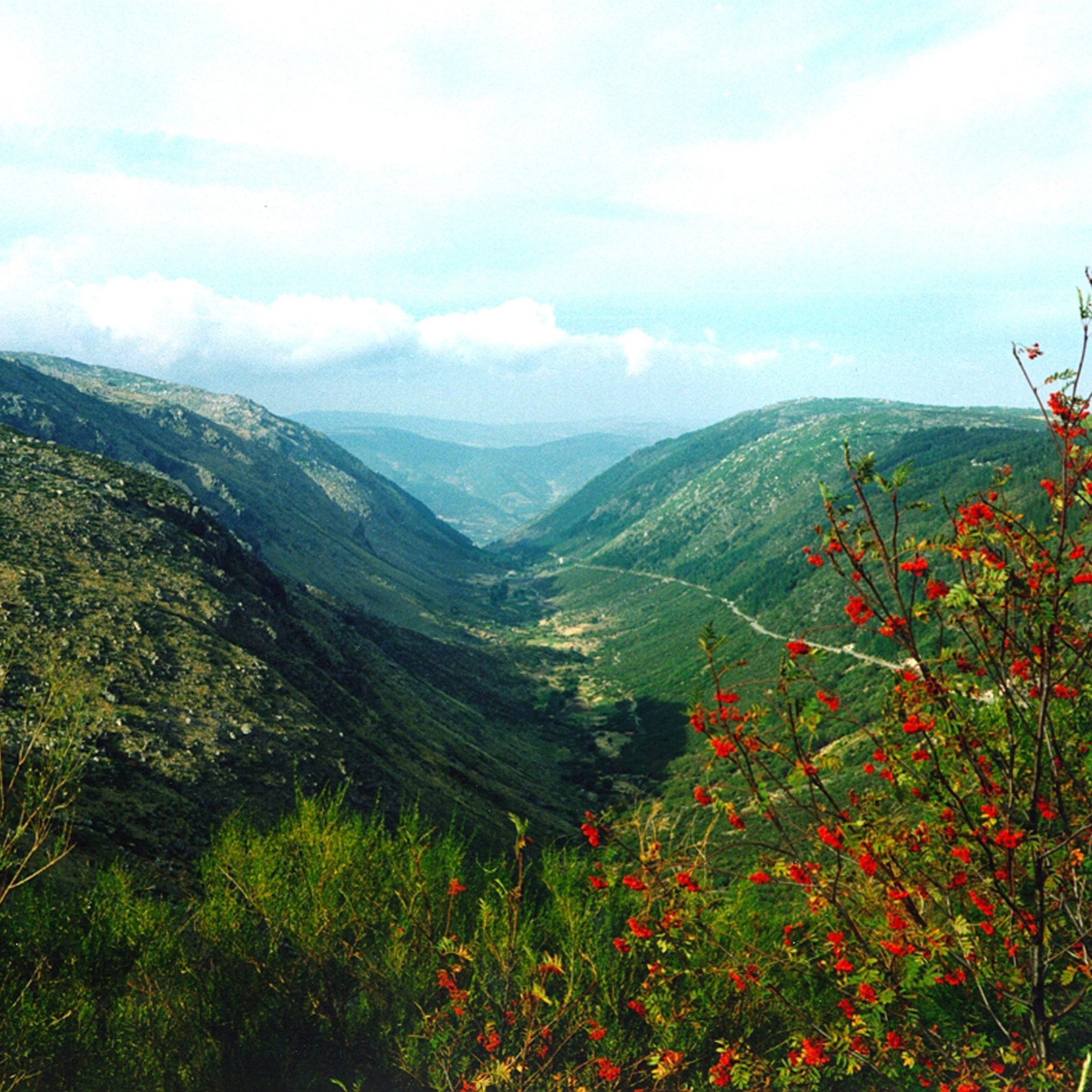
One of the most environmentally diverse natural areas in the country, these 370 km were created to allow a closer contact with the natural heritage, through various modalities: walking, cycling or even canoeing! It can be done in a continuous and chained way by several sections or even in multimodal circuits, depending on the preference and dexterity of the user. The route follows the Zêzere river from its source, the Estrela mountain range, to its mouth, in Constância, where it meets the Tejo River. It is possible to appreciate the richness of the fauna and flora, such as the various birds of prey (like the common buzzard), fantastic medicinal flora (Cuphea carthagenensis and hawthorn), and the humanized landscape that has been established, in an unforgettable mixture.
8. Talasnal
Mountain village in Lousã, where nature reigns. Marvel yourself at the main alley, through the houses decorated with vines and the nature that surrounds it. Founded possibly, as the rest, in the second half of the 17th century, it is now a point of various routes, which allow you to dive into history and the lush vegetation. It is undoubtedly a luxury and privilege to walk through its narrow streets, lost in this melody of the past and the various details of the houses. A timeless but essential journey.
10. Candal
A harbor of refuge for those who wish it, it is nestled in the Lousã mountain range and is sometimes, due to the accessibility that the National Road provides, considered one of the most developed mountain villages. It is also considered the ideal place to whet your appetite before leaving to discover the rest of the mountains and the villages. It keeps all the testimonies of this ancient world the same, preserving it in time, but also offers clean air and good company. The climb to the viewpoint is rewarded by the beautiful panoramic view over the valley and the Ribeira do Candal. A special stop in the adventure that is to discover the Schist Villages!